- Products
-

- NXG INLINE DIFFERENTIAL


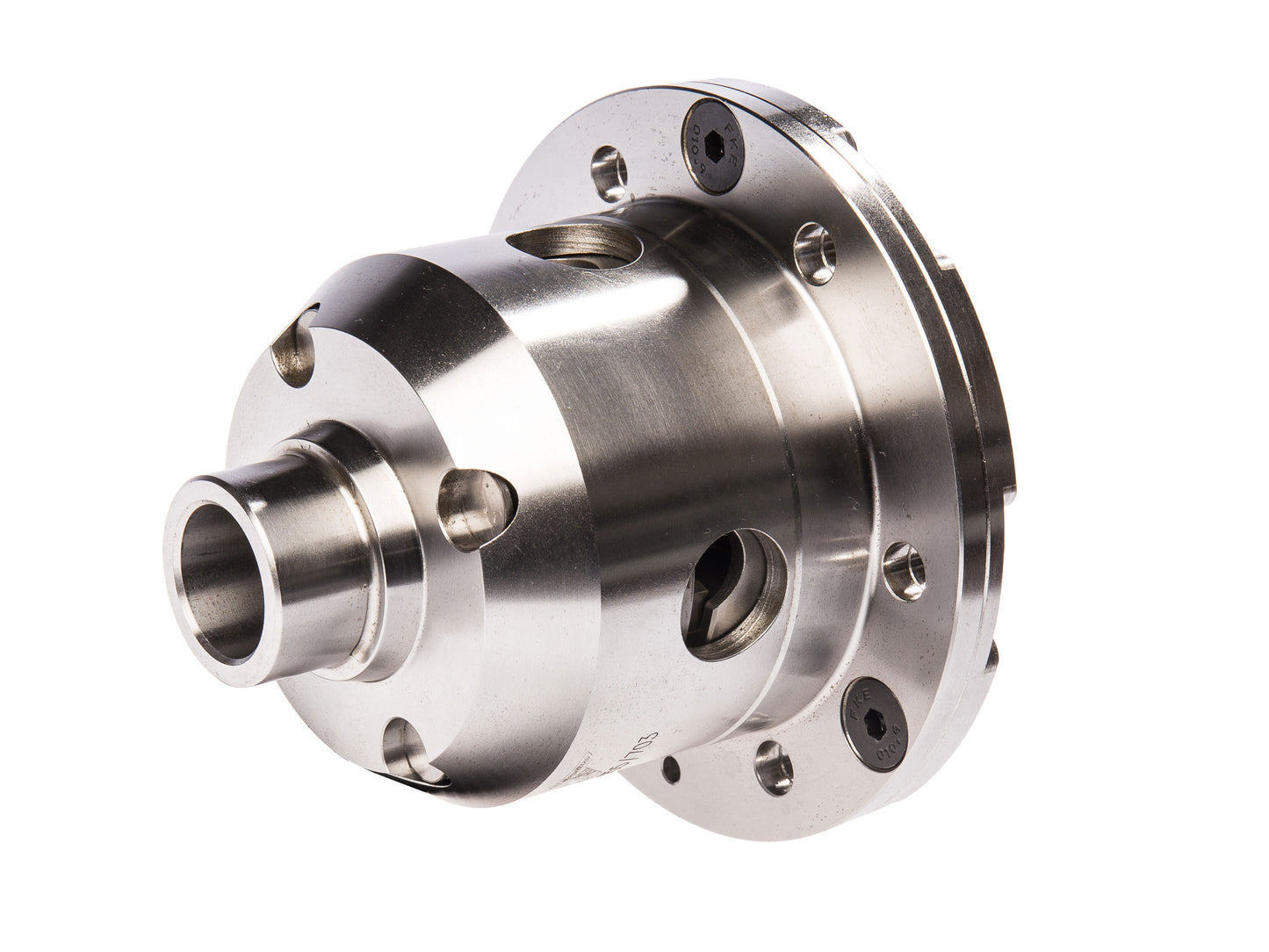
NXG INLINE DIFFERENTIAL
Technical Video:View More


Description
The latest NXG limited-slip differential offers the strongest, most progressive and versatile LSD unit on the market for competition AH Sprites and MG Midgets.
The NXG plate pack runs on eight active surfaces, giving maximum surface area and contact during use.
Dual ramp angles allow an internal change from the standard 35/90-degrees to 45/90-degrees, to adjust aggression under acceleration and best suit your driving style.
A 90-degree deceleration ramp unlocks the diff entirely under braking, aiding turn-in. Once back on throttle, both rear wheels effectively grip the tarmac to accelerate the car through the apex and on to the next straight.
No longer will you light-up the unloaded inside tyre and need to back-off the throttle, resulting in greatly improved lap times.
Design features:
- 35/90-degree ramp angles (with ability to change to 45/90) and 70lb.ft pre-load.
- Infinite adjustment of the pre-load is possible.
- The bevel and planet gear pack have a larger, stronger tooth profile to eliminate rattle and excessive back lash.
- Large diameter clutch pack for improved contact and longevity.
- Fully rebuildable with spare clutch packs in stock.
- Suitable for the standard crownwheel.
Frequently Asked Questions
Is this LSD for a classic Mini?

No, this is for rear-wheel-drive applications, specifically the A-Series powered Austin Healey Sprite and MG Midget. For the Mini variety please see MED-3600-NXC.
Can I use this LSD on the road?
Yes, for occasional use, although we would recommend you opt for our hillclimb/sprint settings rather than full race. If 90% of your driving is road use but with some occasional competitions, we would steer you towards the helical gear differential instead.
I've fitted the LSD and it makes a clonking noise at slow speed. Is that normal?
Yes, that's the internal clutch plates slipping as the car slowly turns a corner, and is the same for all competition LSDs. It may sound strange, but rest assured this is just the nature of plate-type LSDs when either pushed around a paddock or driven slowly. When driven at speed, the noise will go.
Is there a recommended oil for the differential?
Yes we would recommend an LSD-specific gear oil, 75W90, such as Millers CRX LSD fully synthetic. If not available locally, look for a similar spec competition LSD gear oil from a known brand.
Is it possible to check these pre-load settings myself?
It's not as accurate as using our test rig, however, you can roughly test the pre-load by using a torque wrench on one of the rear hub nuts, with the opposite wheel locked in position. The point at which the wheel begins to turn can be measured on your torque wrench.
How often will the NXG LSD need to be serviced?
It depends on how hard it has been driven. We would typically check the pre-load settings after a season of competition to give an indication of clutch plate wear. For hillclimb use with limited running time, the plate pack should last for many years between services, whereas on the other extreme, oval grass track racing with only right hand corners, it will wear more frequently.
How does the ramp angle affect performance?
As drive is applied to the differential, the internal drive pins are forced up a short ramp, which compresses the clutch plates and effectively locks the unit together. The steeper this ramp angle, the more effort will be required to lock the differential, and the less aggressive it will be in operation. We have the choice of 35 or 45 degrees on this ramp, with the deceleration side being 90 degrees in both cases - a dead stop to fully unlock on turn-in.
Do I need to 'run-in' the LSD?
Ideally yes. A correct running-in procedure will reduce friction between the gear teeth while bedding-in the clutch pack. A good procedure is to use the diff gently for between 20-30 miles, followed by 20-30 miles of more aggressive driving, ideally if you can find a space to work in some hard cornering and figure-of-eights. Once complete, an oil change would be recommended, as with a transmission rebuild. This will greatly enhance the lifetime of the LSD.
Related Products
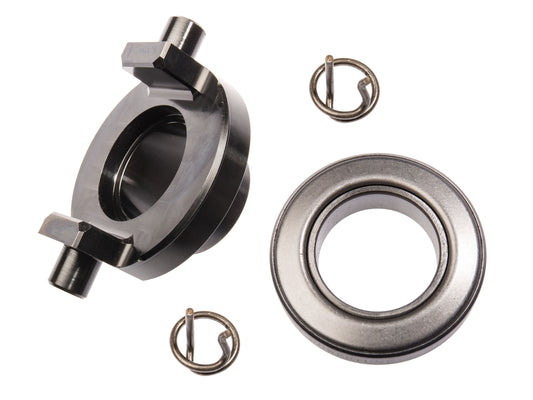
INLINE H/D ROLLER RELEASE BEARING

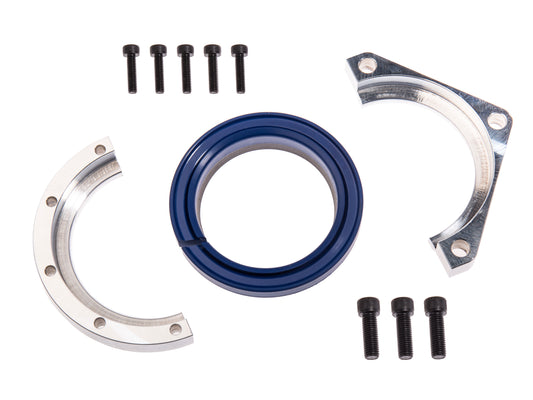
INLINE REAR MAIN OIL SEAL CONVERSION
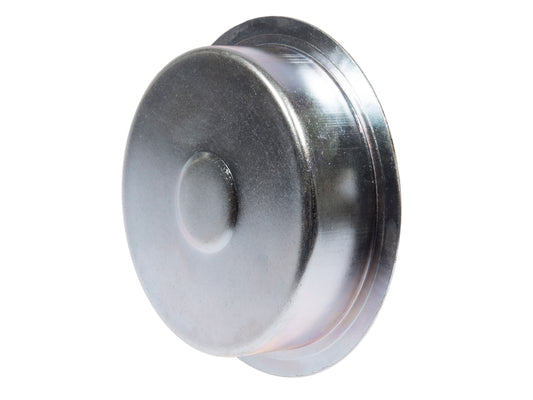
INLINE OIL PUMP COVER
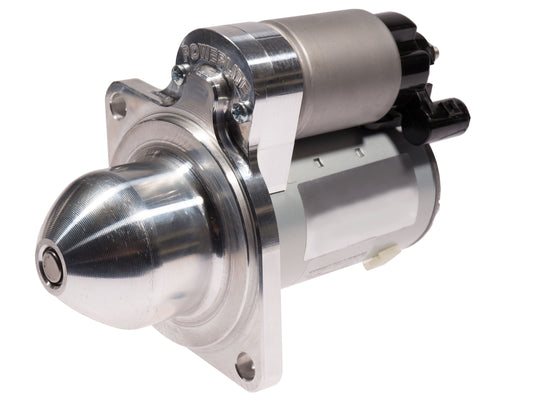
INLINE/MIDGET MICRO STARTER MOTOR
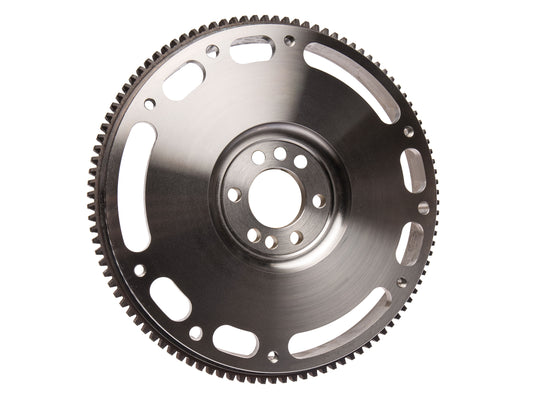
MED INLINE 7.5 LIGHTWEIGHT STEEL FLYWHEEL
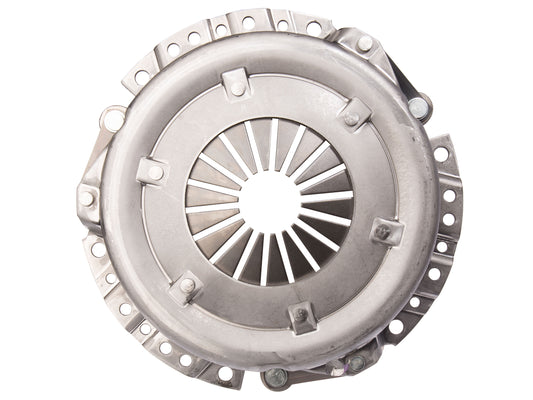
MED INLINE 7.5 H/D CLUTCH COVER
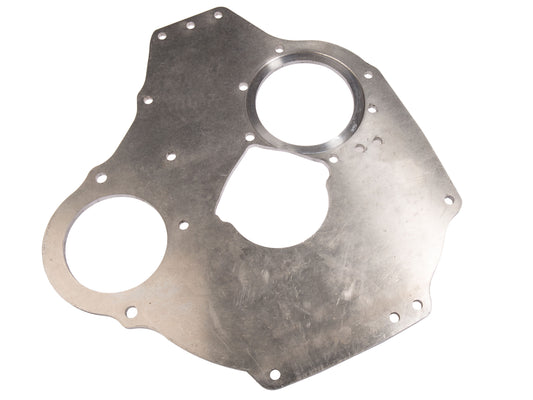
MED INLINE ALLOY BACK PLATE
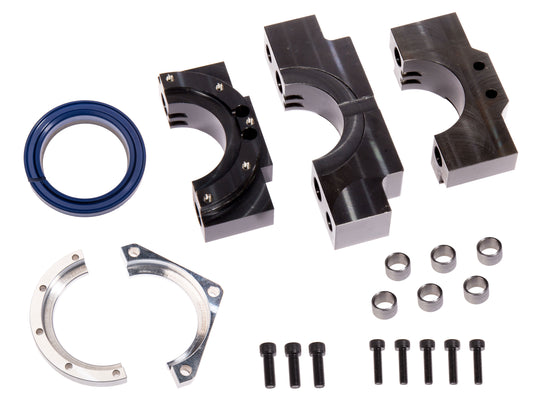
MED INLINE STEEL MAIN CAP SET - OIL SEAL UPGRADE
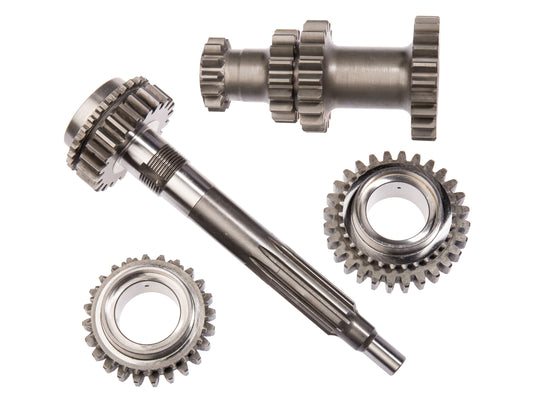
MED INLINE STRAIGHT CUT GEAR KIT
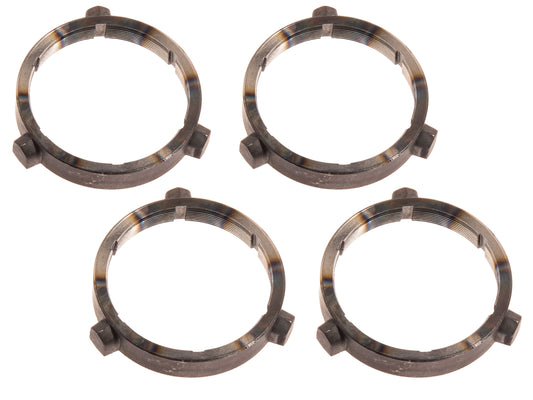
MED PREMIUM BAULK RING SET