



- Blogs
-

- How to measure Omega A-Series pistons
How to measure Omega A-Series pistons

Measuring the diameter of your new Omega pistons before re-boring the block is an essential step in producing good performance from any A-Series engine, whether it's a standard refresh or full race rebuild.
And when we’re measuring tolerances in thousandths of an inch, it’s vital to get the correct clearance between the pistons and the bore walls, and also the correct piston ring gap once the block’s been machined.

This not only ensures good performance and efficient running, but also avoids the pistons from seizing up in the bores. There's a balance between creating a strong seal for the compression of fuel/air in the combustion process, and creating too much friction.

Much will depend on how hard you wish to push the engine, and how often you plan to rebuild it. For a high RPM race build, we would give larger tolerances to account for the extra heat build-up and expansion.
For a road car, tighter clearances combined with lower RPM levels will give considerably less wear, and a long service life before the next re-bore is required.

In most cases, we'd advise to take your pistons and engine block together to a knowledgeable machine shop of choice, and they will have the equipment to accurately measure both the pistons and the cylinder bores.
However, we’ve had quite a few emails lately on piston-to-bore clearance, sizing up pistons and recommended bore wall finish, so here’s a handy guide if you wish to learn more.
Heading to your machine shop armed with this extra knowledge will help get to most from your A-Series engine rebuild.
How to measure pistons
The best measuring tool for an A-Series piston diameter is a precision external micrometer, preferably in imperial sizes. You will need a 2-3” external mic like this one, or 50-75mm if you get stuck.

Whilst you can potentially use digital or vernier calipers as a rough guide, the micrometer is more rigid, with finer resolution that can be trusted down to 0.0001”, vs 0.001” of the calipers.

Digital micrometers are arguably easier to read, but we tend to use analogue versions as we’re old school. Plus someone keeps stealing the batteries from the digital version!
Firstly, ensure that you’re not working in an extreme temperature - ideally room temperature of around 20-degrees C for both the micrometer and your Omega pistons. Working in a sub-zero Austrian workshop will give a different reading to the blazing Australian sun, a daft example, but be careful with this.

2-3” Micrometers will be supplied with a 2” long bar known as a 'set gauge' to act as a datum for resetting the ‘zero’ point. Use this first to ensure the mic is reading accurately, adjust back to zero if not, and also give the measuring faces and the pistons and good clean before taking a measurement.
To measure the piston-to-bore clearance, you will need to measure the piston at its largest diameter, which on Omega A-Series pistons is located 90-degrees to the gudgeon pin, three quarters of the way down the 'skirt’. Pistons are not perfectly round, but oval in diameter, so care must be taken to find the largest diameter.

Beginners often mistake the gap between the top of the piston above the piston rings and the bores as the clearance, but this will be much larger at this point. So don’t panic if you lift the cylinder head and see a much larger clearance here.

The recommended piston clearance for our range of Omega diecast pistons is exactly 0.003”, and the lightweight racing forged versions need more clearance at 0.004”.
Within such fine tolerances there is an additional scale of upper and lower limits depending on the application, but aim for this exact size and you cannot go wrong.
This size is taken into account by Omega during the final machining operation of the pistons, so you will find the skirts measure 0.003” or 0.004” below the given bore size.
For example, a +20 diecast Omega piston should measure 2.797” and a forged version will be 2.796”, but always check your specific pistons to be sure.
A-Series engine bore size
Now you’ve measured your pistons, a straightforward calculation can be made to give the finished re-bore size required of the engine block. Take the piston's largest diameter and add 0.003" for diecast and 0.004" for forged.

Typically with Omega, as we've already mentioned, the pistons are undersize by the recommended bore clearance, so the finished bore size will be exactly +20, +40, +60 or 73.5mm. So on a +20 1275 bore, you will need to aim for 2.800."
If your engine block has been bored previously, you run the risk of the bores being worn and giving too much piston and ring clearance, resulting in increased crankcase pressure from excess gases passing the rings.

In turn this inefficiency will reduce the power output and increase emissions. So always check the bores and never assume an old bore will ‘go again’, as it could be a false economy.

To measure the bores, you will need to use a three-point bore micrometer of a suitable bore size range (typically 2.44”-2.95”). It’s unlikely you will have one of these in a regular DIY tool collection, as they’re expensive, but your machine shop will be able to help.
Carefully pass the micrometer up and down each bore to accurately measure the diameter. At the same time, check for consistency, as the bores tend to wear in a barrel shape, larger in the middle, where the piston rings run up and down.

If the bore sizes are calculated to give any more than the recommended piston clearance, the block will need to be re-bored to the next size, where possible. On heavily worn engine blocks, you may need to consider having the bores re-linered, and we keep 1275 A-Series bore liners to suit.
Bore wall finish
The finished bore size should be your aim after the final machining operation - honing. This finishing process gives the fine cross-hatch appearance you may recognise from a freshly-machined cylinder bore.

This cross-hatch finish ensures a good seal to the piston rings to give optimum engine compression, the best performance and reduced oil consumption. On a microscopic level it also helps to retain oil, in addition to the very fine screw-cut finish on the Omega pistons, to improve lubrication.
Make sure your engineering shop leaves enough material in the cylinders after the initial boring process to allow for complete honing. We would recommend that you leave at least 0.003" under the final size to allow for honing. Any less, and it's not possible to fully hone the bores for the piston rings to seal successfully.

Omega piston rings should be run with a plateau honed cross-hatch angle of 35-40 degrees and using either conventional stones of 220-280 grit, or diamond stones of 325-550 grit.
Once honed, Omega recommends a final smoothing process using either a flexible brush or nylon bristle honing tool. This will remove jagged peaks and folded or torn material from the bore walls for the finishing touch.
Gapping Omega piston rings
Now the block has been carefully bored and honed to suit the pistons, you will need to check and adjust the piston ring end gap. This must be done before the engine can be assembled, again to ensure a proper seal between the rings and bore walls.

You will only need to check the top and second compression rings, not the three-piece sprung oil control ring.
To do this, very gently pass a piston ring into the top of the bore, one at a time, and use an up-turned piston to evenly push the ring down until the ring land reaches the top of the bore. A picture speaks a thousand words here.

Now use feeler gauges to measure the gap in the piston ring, where present. Special tools are available to modify the piston ring to increase this to the desired gap, or careful use of a diamond file can also work. We would recommend aiming for between 0.010-0.012" on 1275-based engines.

Measure and gap all eight rings, and you're all set to build the engine.
If the ring gaps are too large, either you have the wrong size rings for the pistons/bore - a slight inconvenience - or the finished bore size is too large - a bigger problem.
As ever, please contact us if you need any further help and advice.
April 2026


Recommended Products
MED S DAMPER KITS

ARP HEAD STUD FIXING KITS
OIL PUMP - VARIOUS FITMENTS
1275 MAIN BEARING SETS
PAYEN BK450 HEAD GASKET SET
THRUST WASHER SETS
1275 BIG END BEARING SETS
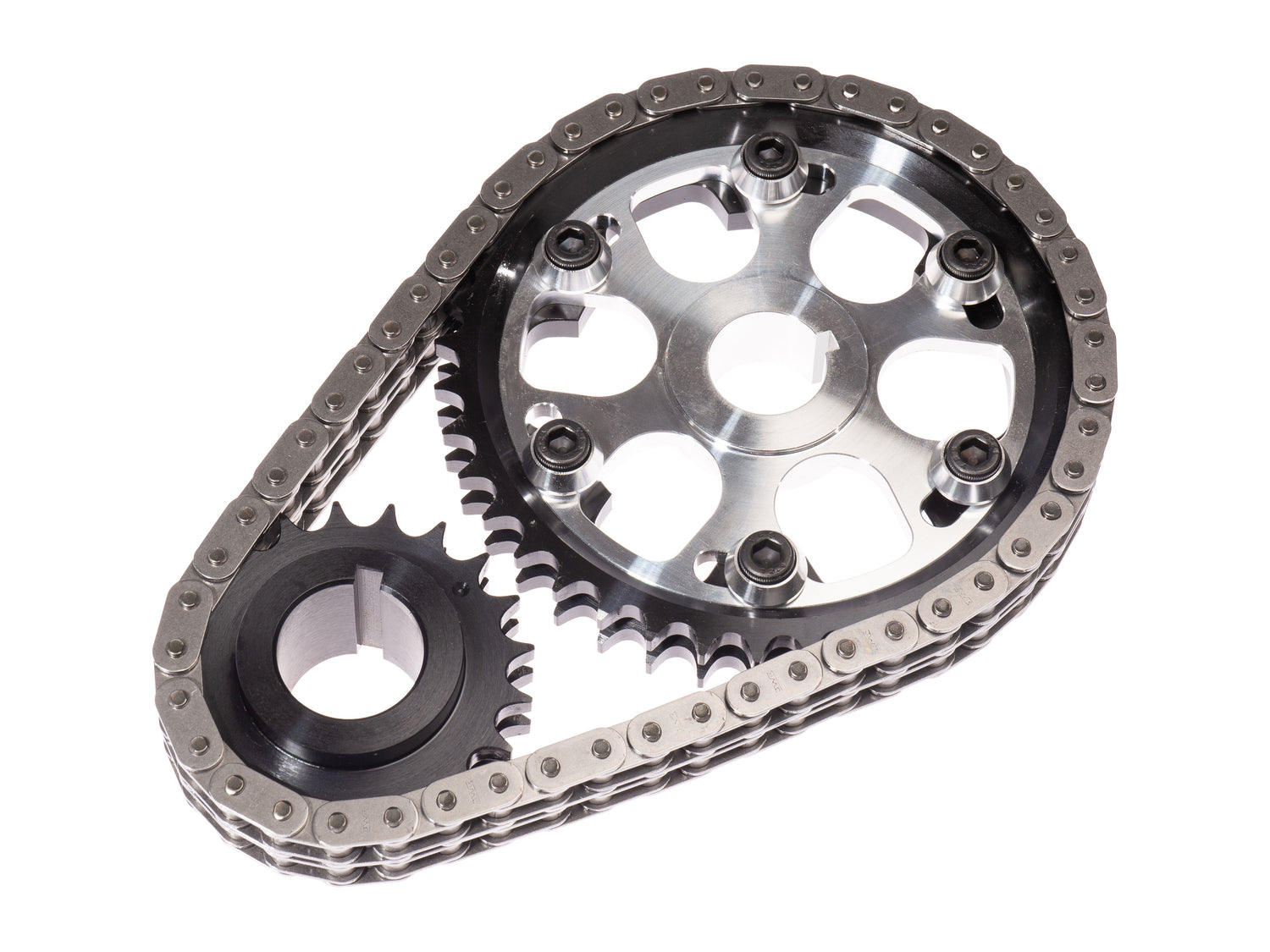
MED ULTRA LIGHT VERNIER DUPLEX
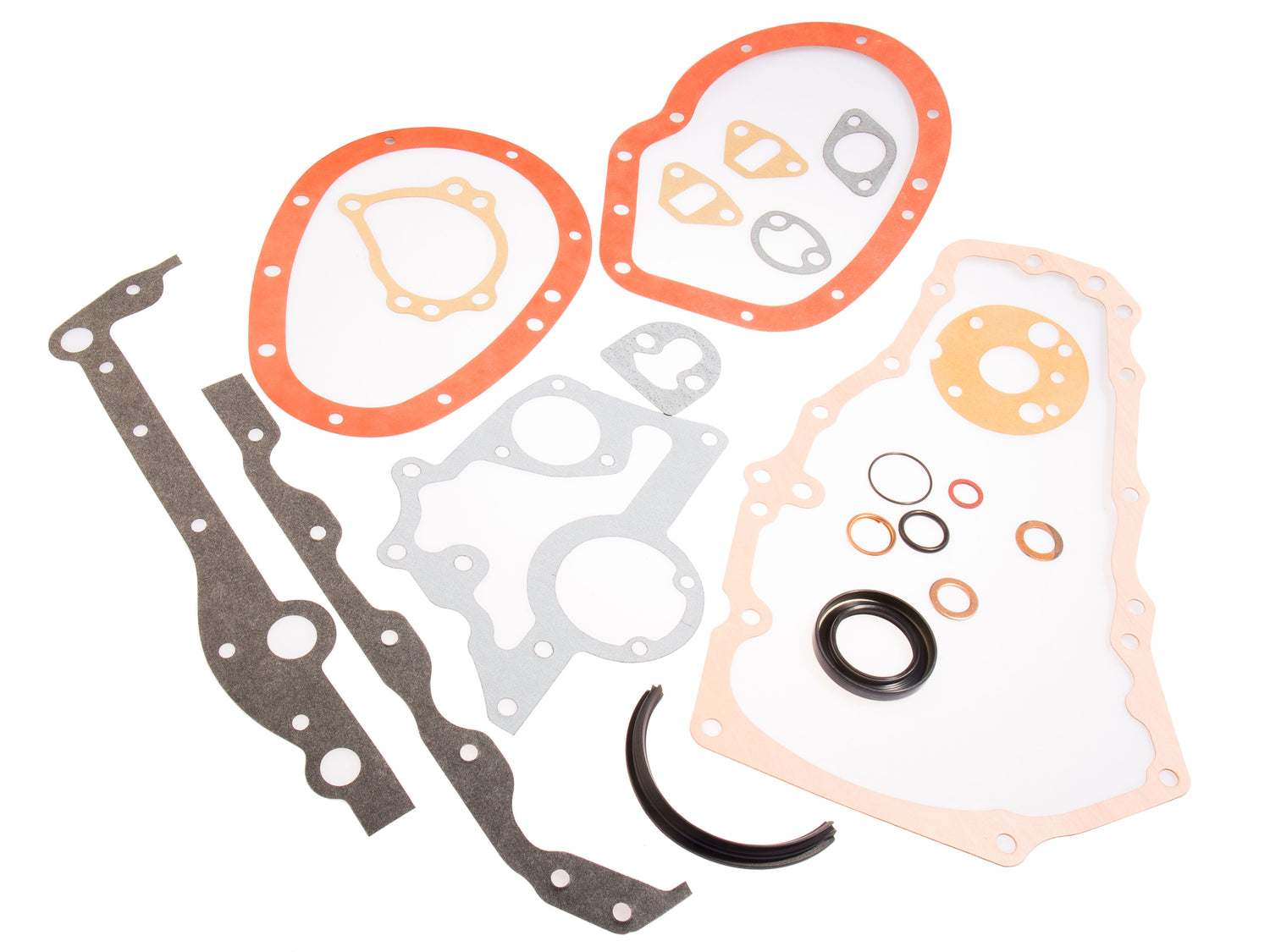
ENGINE GASKET SETS
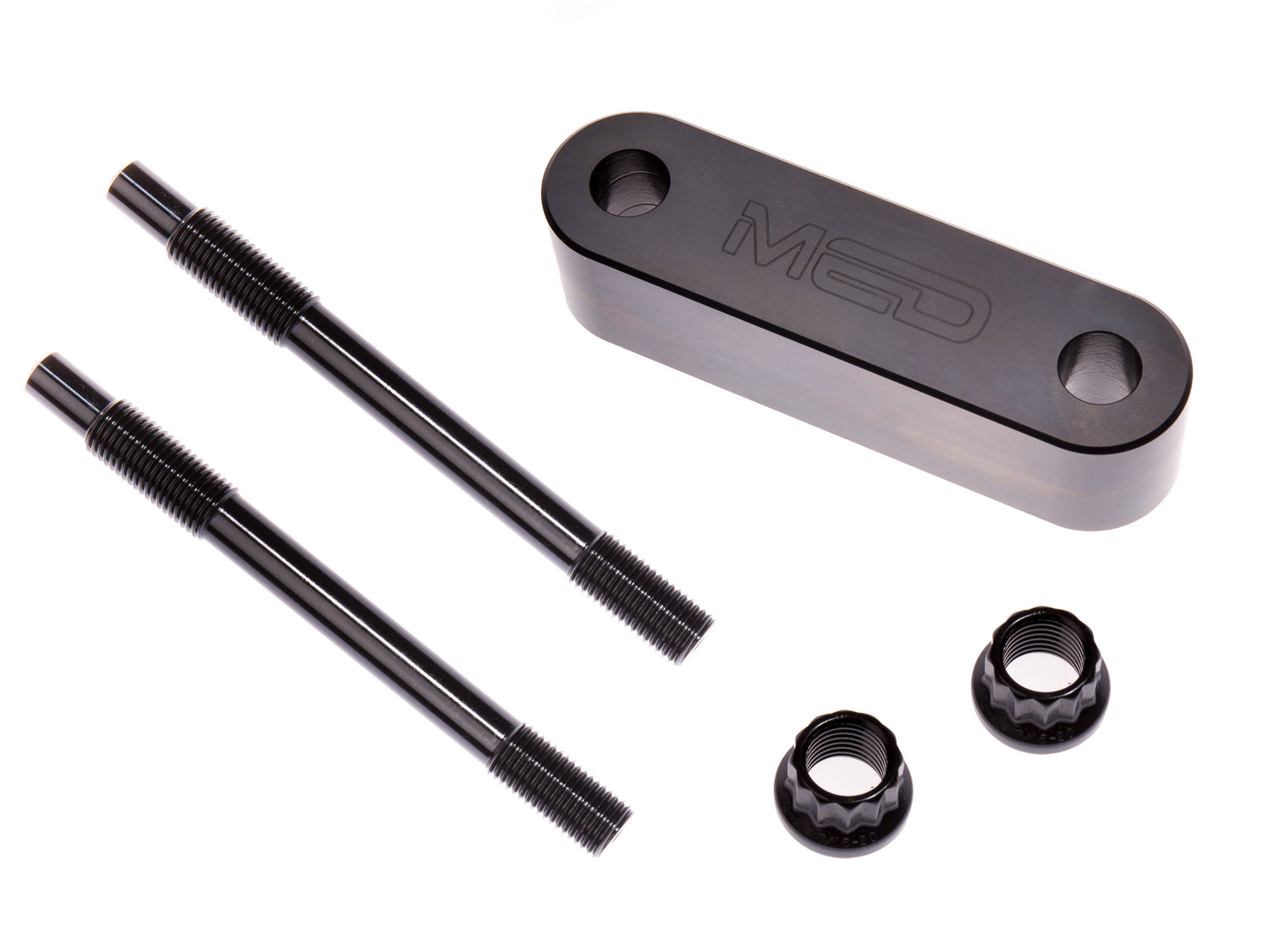
MED 1275 CENTRE MAIN STRAP

MED CAM TIMING COVER
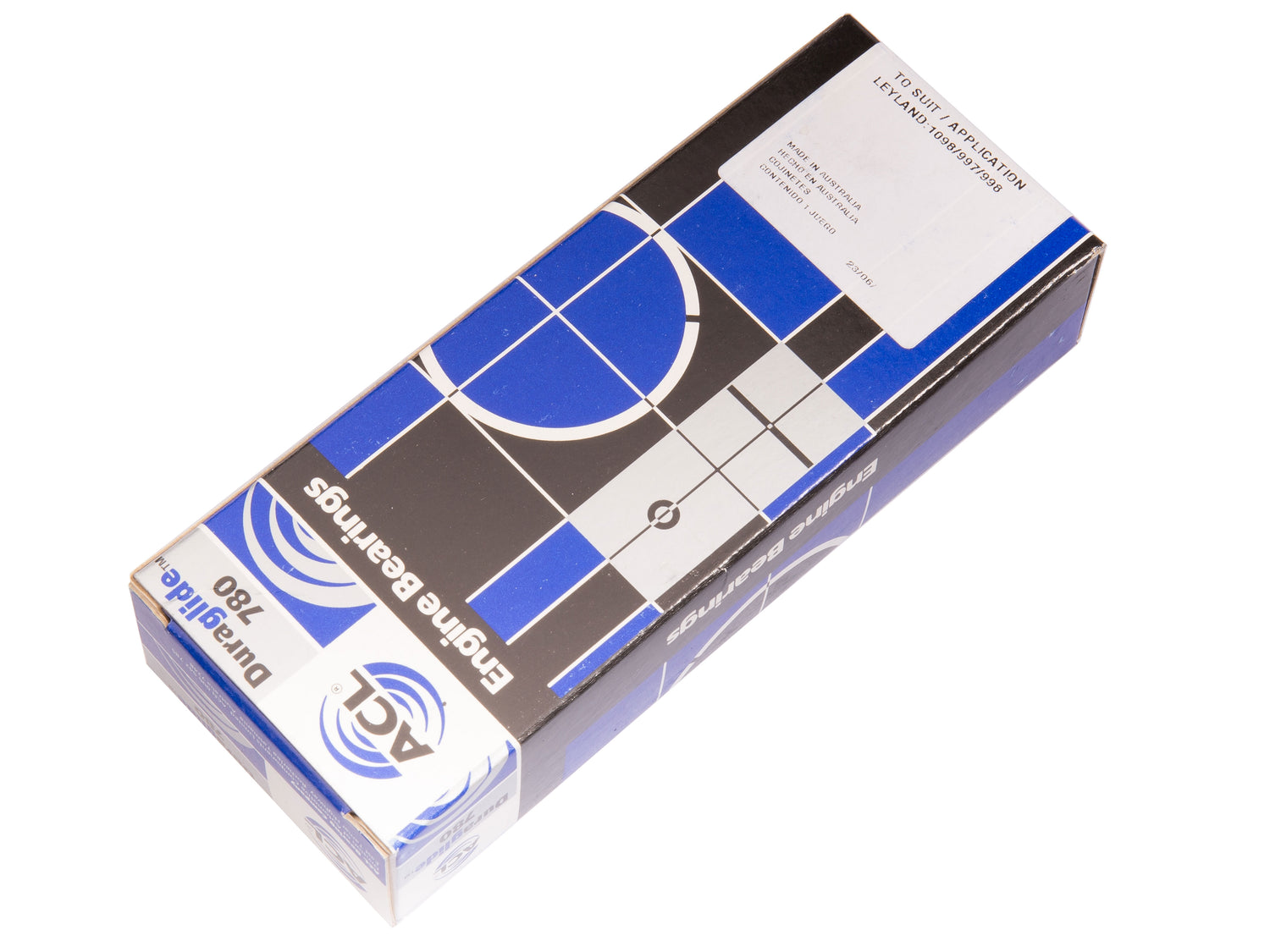
CAM BEARING SETS