


- Blogs
-

- Road vs Track: Choosing the Right MED A-Series Camshaft
Road vs Track: Choosing the Right MED A-Series Camshaft
Choosing between road and track: the MED A-Series camshaft range
Our A-Series camshaft range spans civilised road profiles through to full-race specification, machined from high quality cross-drilled steel blanks by Piper Cams. This guide works through the range as a road-versus-track selector, using engine size, intended use and the accompanying valvetrain options. You can browse the full range in the Camshafts collection.
Start with your engine size
- 850 engines: standard Mini 850 engines do not use camshaft bearings, so the block must be line-bored and bearings fitted to run one of these cams.
- 998/1098 small-bore engines:small-bore engines work better with a more conservative camshaft profile (less lift and duration) than the 1275. So if you are considering the RS profile for a 998, you may prefer the HT; as a general rule, step down one profile when building a small-bore engine, as the change is more pronounced.
-
1275 engines:ideally suited to any one of the MED profiles, depending on your desired powerband, usage and fuel type.
Road use: profiles and staged kits
The MED A-Series fast road camshafts offer three road-developed profiles: MED HT (256/256 duration, power band 1000-6000 rpm) for daily driving and mile-munching, MED RS (270/284, 1250-6500 rpm) as the fast-road compromise, and MED XT (280/280, 2500-7250 rpm) for track-day use.
As a rough guide, on an identical 1380cc high-performance road engine with a modified head, re-worked crankshaft, single HIF44 carburettor and 1.5:1 roller rockers, expect peak outputs of 100 lb.ft/100 bhp for HT, 100 lb.ft/106 bhp for RS and 100 lb.ft/112 bhp for XT.
The MED camshaft kits bundle the camshaft with the supporting hardware, and make a good option if you're starting on a fresh build:
- MED ST1 camshaft kit: camshaft, chilled iron follower set, lock tab, steel-backed oil pump and timing disc. Profile choices include HT, RS, XT, MPi and T3, with variants for 1275 and 998/1098 engines.
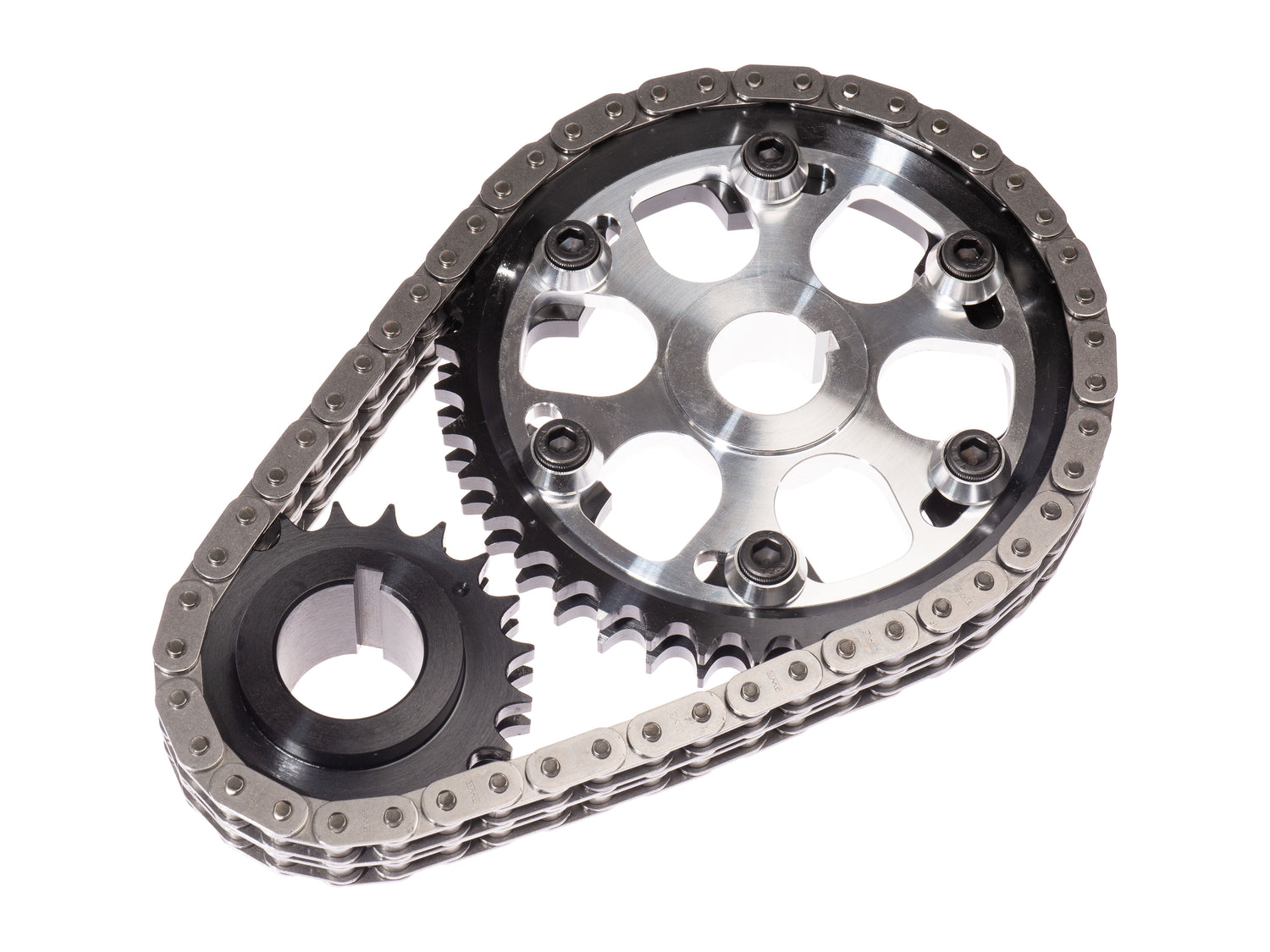
- MED ST2 camshaft kit: everything in Stage 1 plus double valve springs and a steel/alloy vernier duplex timing kit. Designed for the 1275 engine; a 998/1098 option is available and MED can supply an oil pump to suit.
- MED ST3 camshaft kit with 1.5 rockers: everything in Stage 2 plus 1.5:1 roller-tip rockers. Designed specifically for the 1275 engine.
- MED ST3 camshaft kit with 1.3 rockers: as above, but with 1.3 roller rockers. There's options for 998 and 1275 engines.
- MED ST4 camshaft kit: a full-race version of the Stage 3 kit, with more race-orientated camshaft profiles and uprated followers, springs and rockers.
Injection/carb style and fuelling
- Carburettor engines: the HT, RS and XT profiles were developed for carburetted A-Series engines; the FIA+ race profile suits larger H6 or Weber 45DCOE carburettors.
- Multi-point injection (MPi) Minis: the MED MPi profile (252/264 duration, power band 1500-6500 rpm) is designed for fast-road multi-point injection Minis, available in the ST1, ST2 and ST3 kits.
- Single-point injection (SPi) Minis: we would suggest an HT profile with 1.5 rockers, or RS and 1.3 rockers; any more and the ECU will struggle with fuelling and emissions.
- Forced induction: the MED T3 profile (264/276 duration with reduced valve overlap) is a special forced-induction camshaft with extended duration on the exhaust, also available in the ST1, ST2 and ST3 kits.
Track and race: competition profiles
The MED A-Series race camshafts are ni-tempered competition cams developed over decades of competition engine building. The 5-port profiles are MED 310SP (310 duration, 0.420" lift, a highly popular race cam), MED 320SP (320 duration, 0.420" lift, slightly more aggressive), MED FIA+ (296/312 duration, 0.400" lift, a historic cam for larger H6 or Weber 45DCOE carburettors) and MED STR930 (300 duration, Mini Miglia profile).
The 310SP, 320SP and FIA15+ are 'scatter' cams, with re-phased timing on cylinders two and three that MED's race testing has found highly effective on long-duration cams thanks to the unusual nature of the five-port head. Separate 8-port profiles (MED 8-PORT1, 8-PORT2 and 8-PORT3, 300 to 320 duration) cover road/rally through full-race specification.
For a complete competition assembly, the MED ST4 full race kit pairs a race camshaft (XT, 310SP, 320SP, FIA+ or STR930) with race-spec chilled iron followers, racing double valve springs, a steel/alloy duplex timing kit (optional cambelt upgrade) and 1.5:1 LDX race roller rockers.
Note that a race cam in a road-going engine is not recommended: the long duration and high lift suit engines capable of high RPM, and on a road A-Series the powerband will be severely limited by the smaller ports in the head and the lower RPM potential of a standard crankshaft. Unless the engine and cylinder head are equally racy, it will not work well.
Expected valvetrain requirements
- Valve springs: uprated road double valve spring sets are highly recommended with the road profiles to remove the chance of valve bounce at higher RPM; the race profiles need MED's race double valve springs.
- Cam timing: adjustable cam timing is essential; without adjusting the timing to suit the new profile you cannot optimise performance. MED recommends an adjustable vernier timing kit, which the ST2 kit and above include.
- Rockers: MED's profiles are all optimised to work below 1.5:1 rockers, and 1.5:1s usually give more power through increased valve lift, but there is no one-size-fits-all and some applications benefit more from 1.3:1 rockers, which can also help reduce emissions on a '90s Mini, for example.
- Followers: chilled iron follower sets come with the staged kits; the ST4 kit upgrades to race-spec lightweight followers with oil lubrication holes.
Compatibility caveats
- The road cams and 5-port race cams fit all BMC A-Series and A-plus engines, with the exception of eight-port head conversions.
- The 8-port cam profiles only work with the Arden 8-port head, where the inlet and exhaust valves are re-ordered and the cam profile is completely different.
- Standard 850 engines do not use camshaft bearings, so the block must be line-bored and bearings fitted.
- The ST3 kit's 1.5:1 rockers will not suit a 998/1098 cylinder head unless you have converted to a 1275 cylinder head and pocketed the block for valve clearance; its camshaft also does not suit late Rover MPi Minis (1996-2000).
- The ST4 kit is designed specifically for the 1275cc engine, as the LDX rocker spacing only suits a 1275-type head. It also suits original large-bore Cooper S engines, but you may need to drill and tap the block for the later-type oil pump if this has not already been done.
Quick selector
| Product | Best for | Profiles | Engine fit | Notes |
|---|---|---|---|---|
| Fast road camshafts | Road, fast road, track day | HT, RS, XT | All A-Series/A-plus except 8-port; 850 needs line-bore | Cam only; small-bore engines prefer a step down one profile |
| Race camshafts | Race, trackday, sprint | 310SP, 320SP, FIA+, STR930; 8-PORT1/2/3 | All A-Series/A-plus except 8-port (5-port cams); 8-port profiles only with 8-port head | Not recommended for road engines; race springs required |
| ST1 kit | Road starting point | HT, RS, XT, MPi, T3 | 1275 and 998/1098 variants | Cam, followers, oil pump, timing disc |
| ST2 kit | Road/fast road | HT, RS, XT, MPi, T3 | Designed for 1275; 998/1098 option available | Adds double valve springs and vernier duplex timing kit |
| ST3 kit | Fast road to track day, 1275 | HT, RS, XT, MPi, T3 | 1275 only (rockers) | Adds 1.5:1 roller rockers; not for late MPi Minis |
| ST4 kit | Trackday and full competition, 1275 | XT, 310SP, 320SP, FIA+, STR930 | 1275 only (LDX rockers) | Race springs, followers and LDX rockers; Cooper S may need oil pump drilling |
Next steps
Still deciding? Browse the full range in the Camshafts collection, or get in touch for application-specific advice.
November 2026

Recommended Products
MED S DAMPER KITS

ARP HEAD STUD FIXING KITS
OIL PUMP - VARIOUS FITMENTS
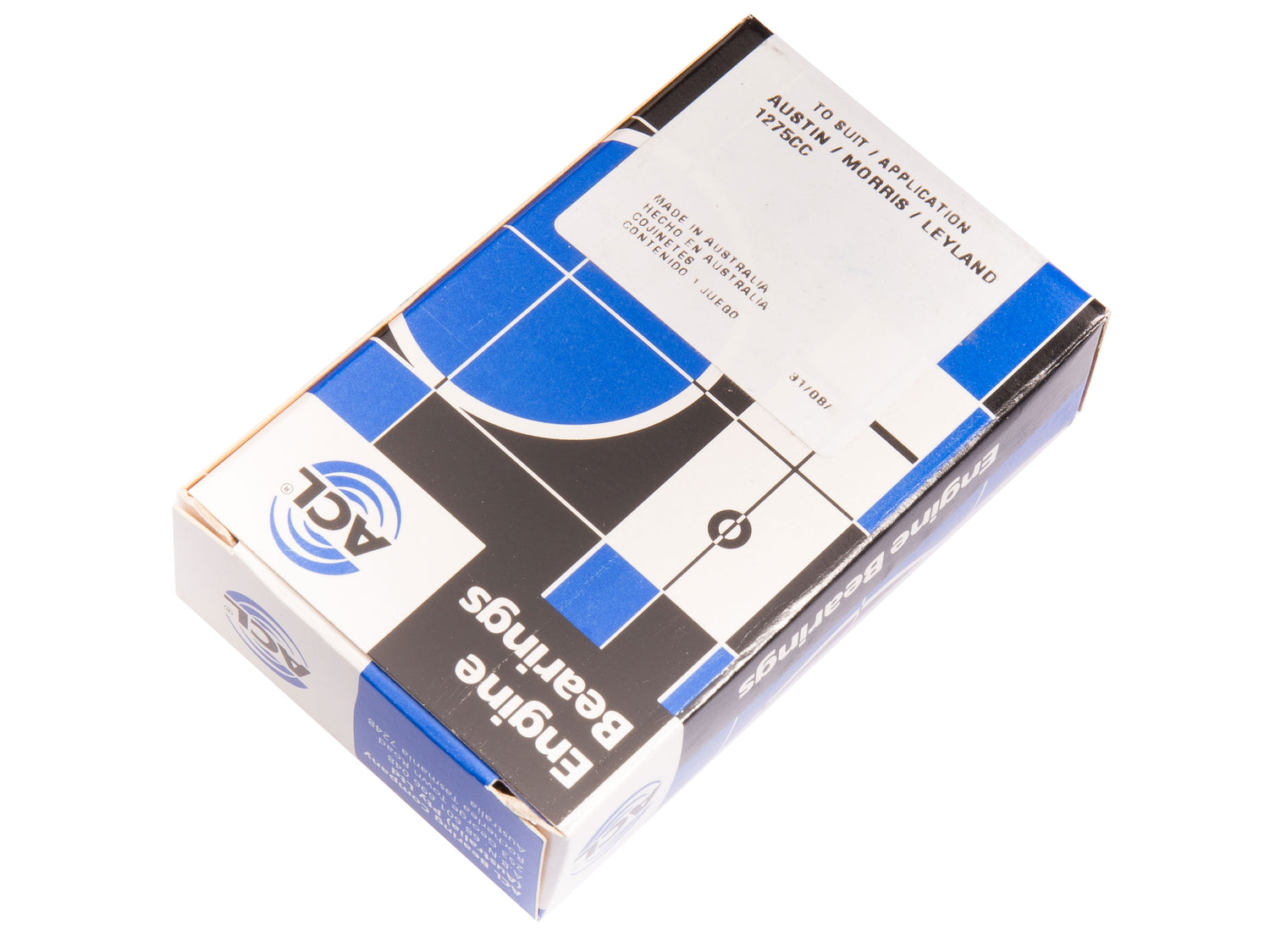
1275 MAIN BEARING SETS
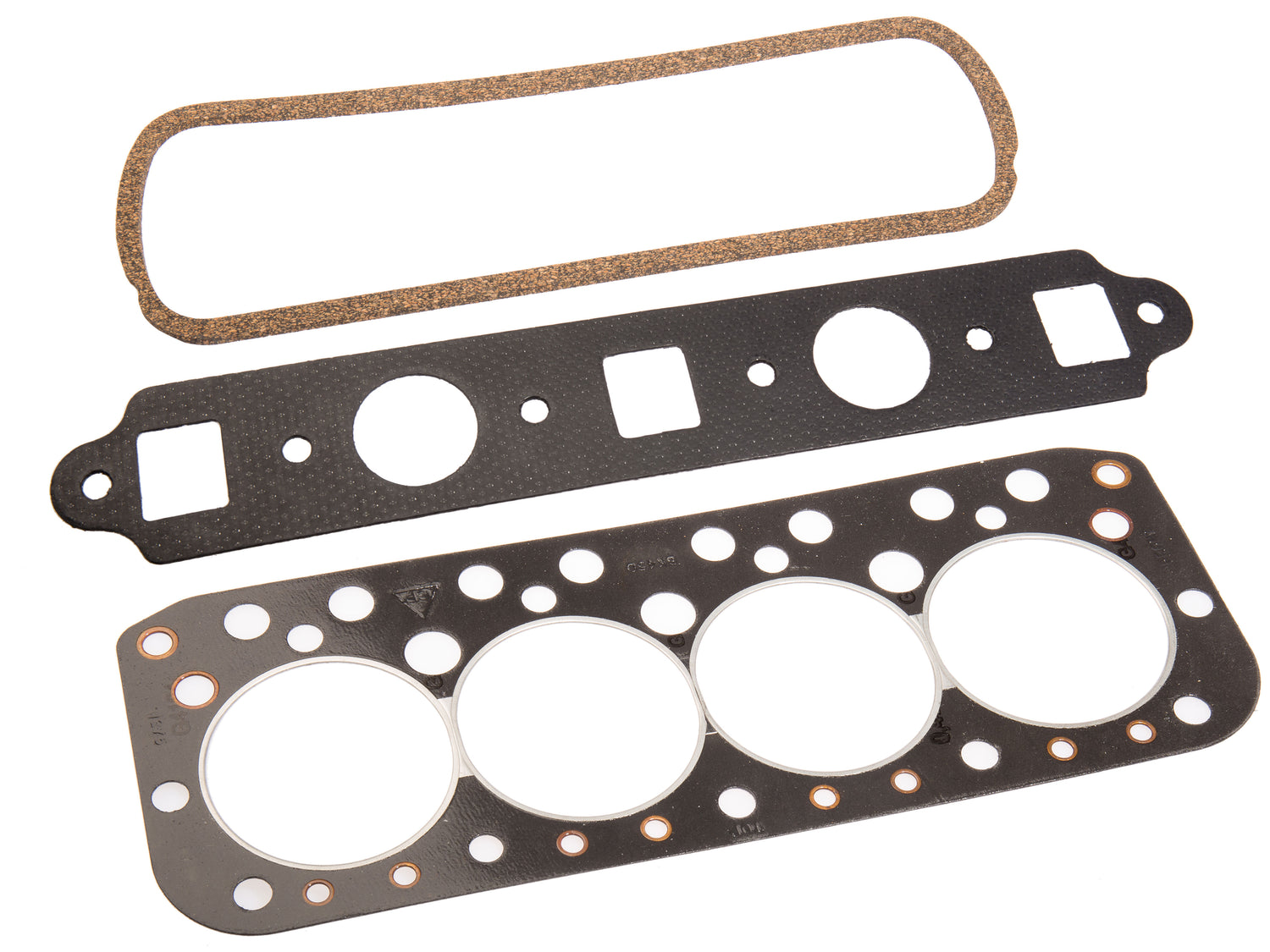
PAYEN BK450 HEAD GASKET SET
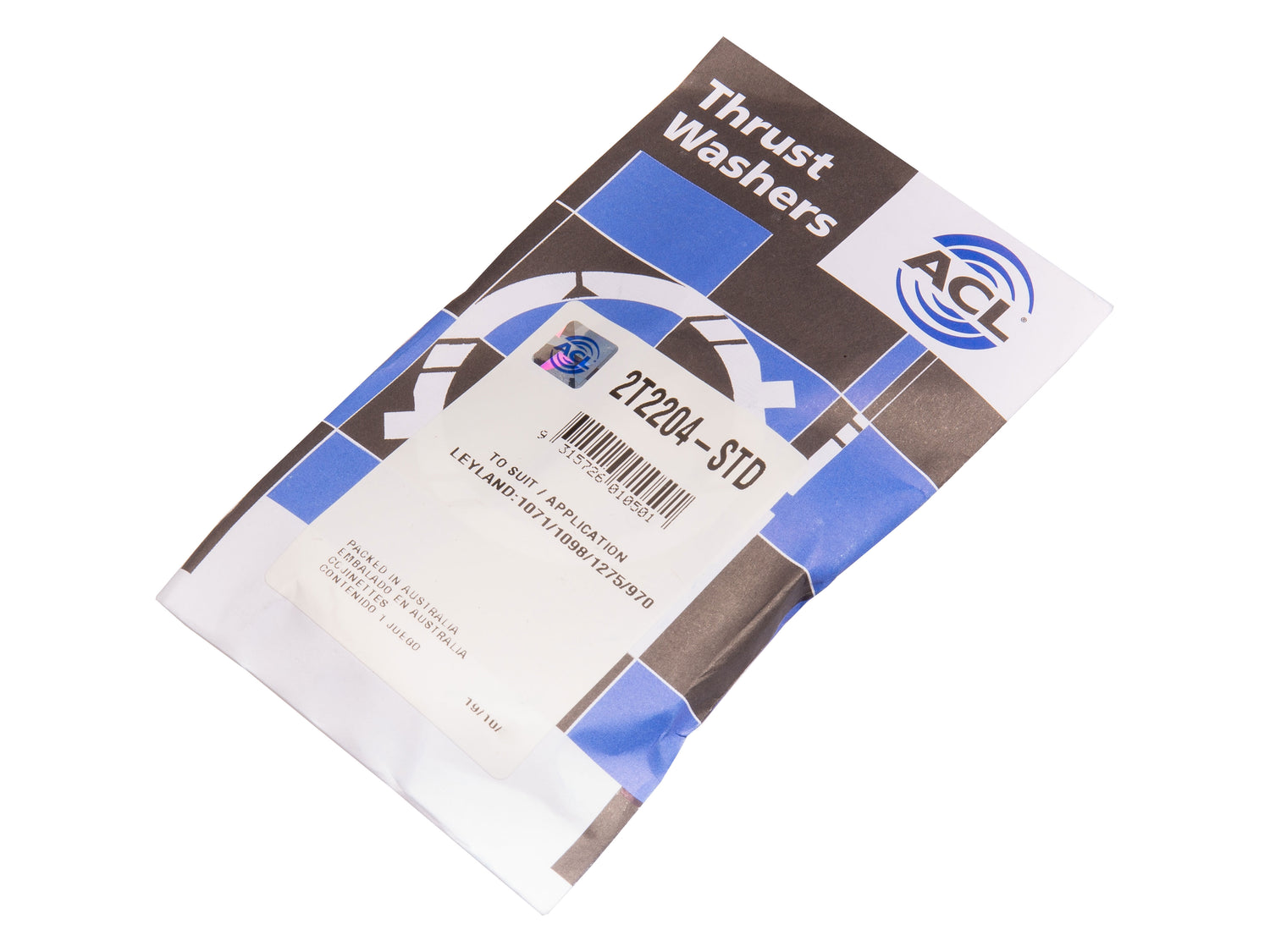
THRUST WASHER SETS
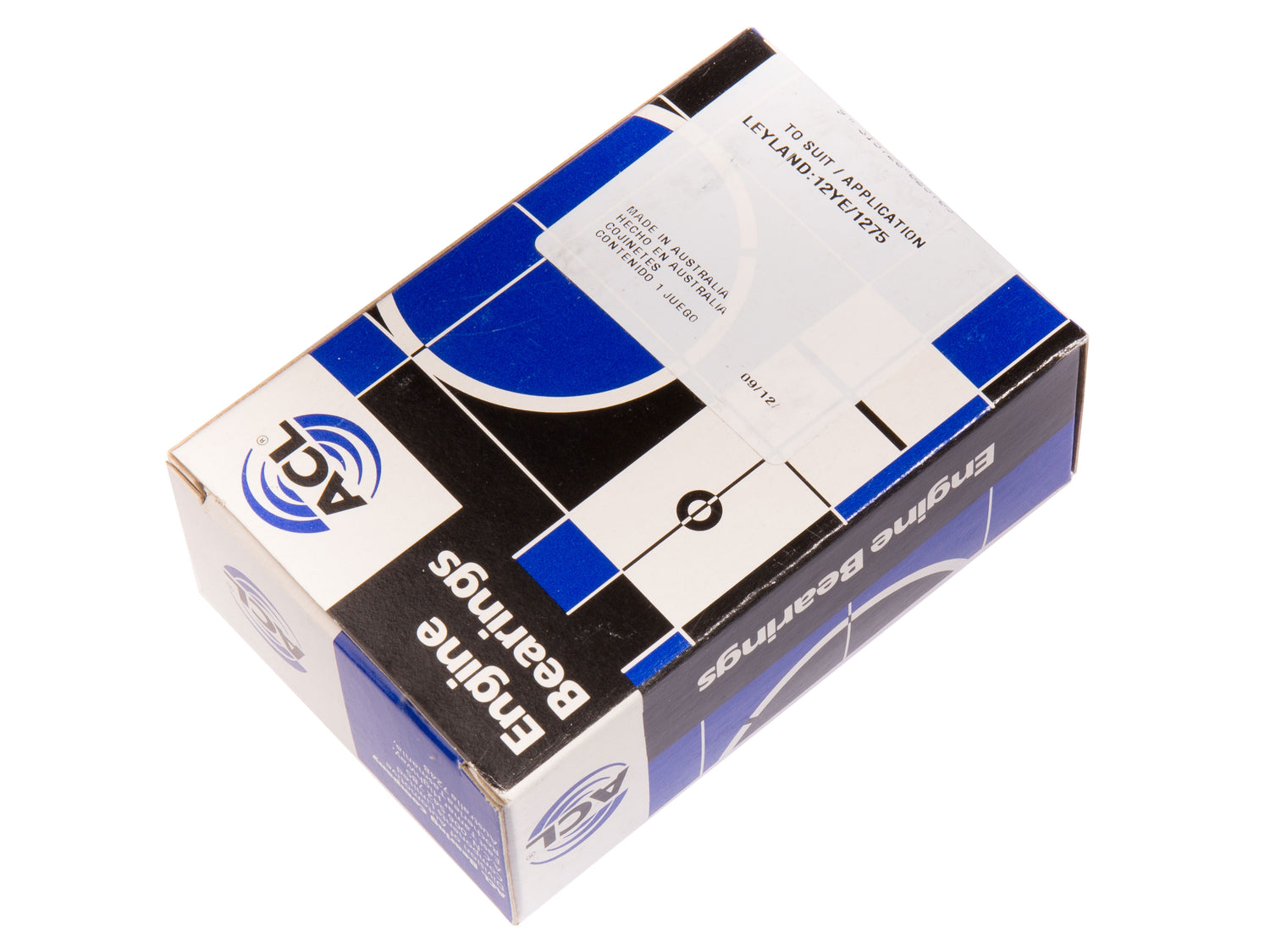
1275 BIG END BEARING SETS
MED ULTRA LIGHT VERNIER DUPLEX
ENGINE GASKET SETS
MED 1275 CENTRE MAIN STRAP

MED CAM TIMING COVER
CAM BEARING SETS